September 1, 2026
Understanding the fundamentals of water well drilling services is important for property owners who are considering groundwater as a source of water. A properly planned well can support residential, agricultural, commercial, and other applications where dependable access to groundwater is necessary. Before beginning a project, property owners should understand how wells function, how drilling sites are evaluated, and what responsibilities come with operating a private water system. Geological conditions, local regulations, expected water demand, and long-term maintenance can all influence the success of a well. Learning about these factors provides a stronger foundation for making practical decisions about groundwater access and responsible water use.
Water Well Types and Applications
Water wells generally fall into three categories: dug, driven, and drilled wells. Dug wells are typically shallow and may be appropriate in locations with relatively high water tables. Driven wells use small-diameter pipes that are driven into water-bearing formations and are also generally limited to shallower groundwater sources. Drilled wells can reach considerably greater depths and are commonly used where groundwater is located beneath substantial layers of soil or rock.
Drilled wells are constructed with specialized machinery capable of penetrating different geological formations. Their depth can provide access to aquifers that may offer a more consistent water supply than shallow groundwater sources. The appropriate well type depends on the property's geology, expected water consumption, available space, and applicable construction requirements. Professional water well drilling services can evaluate these conditions and recommend a well design suited to the property's intended use.
Groundwater Access and Well Function
Water wells provide access to groundwater stored in aquifers, which are underground formations of permeable rock, gravel, sand, or other materials capable of holding and transmitting water. Residential wells may provide water for drinking, cooking, bathing, cleaning, and outdoor uses. Agricultural wells can support crop irrigation and livestock operations, while commercial and industrial wells may supply water for equipment, processes, landscaping, or facility operations.
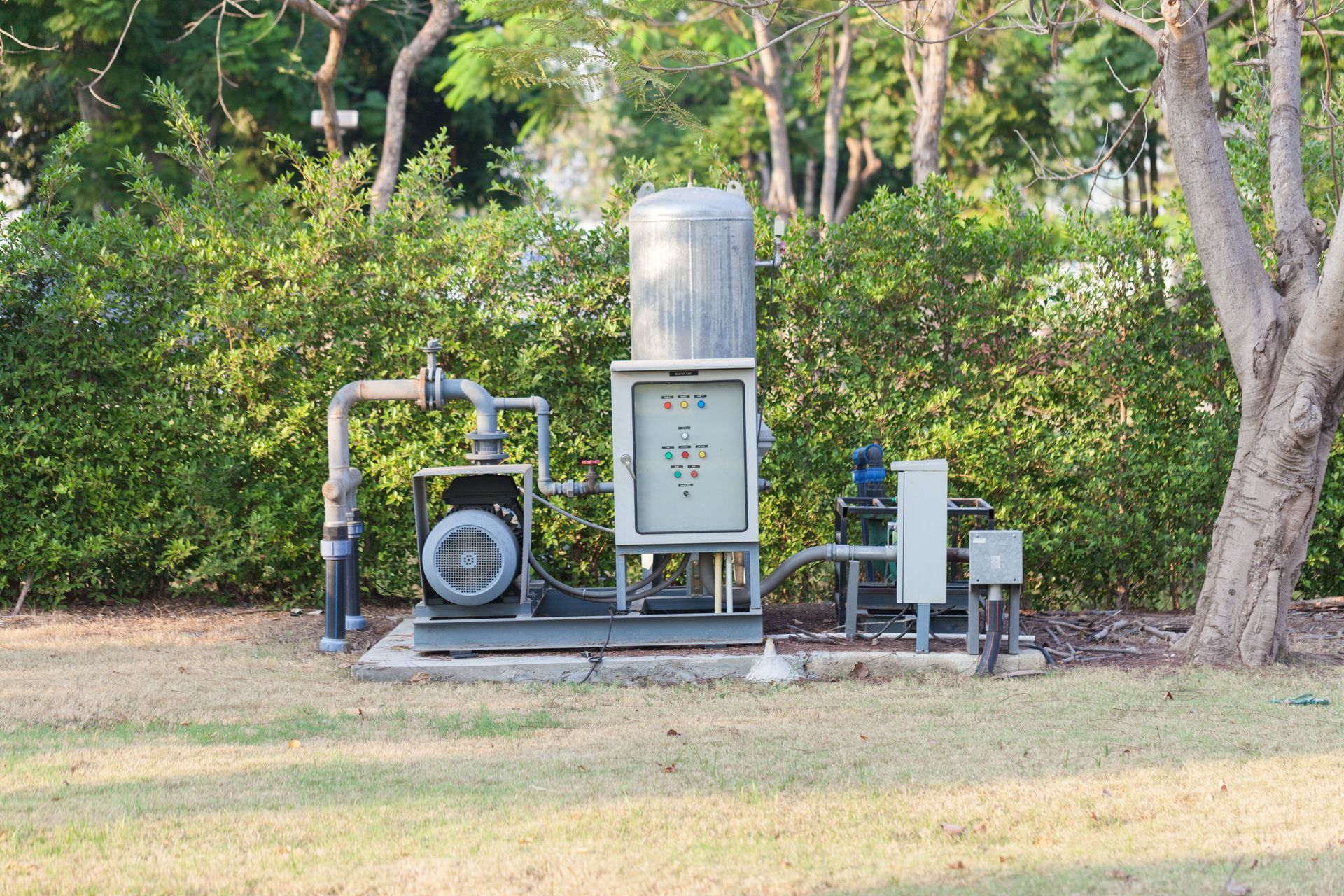
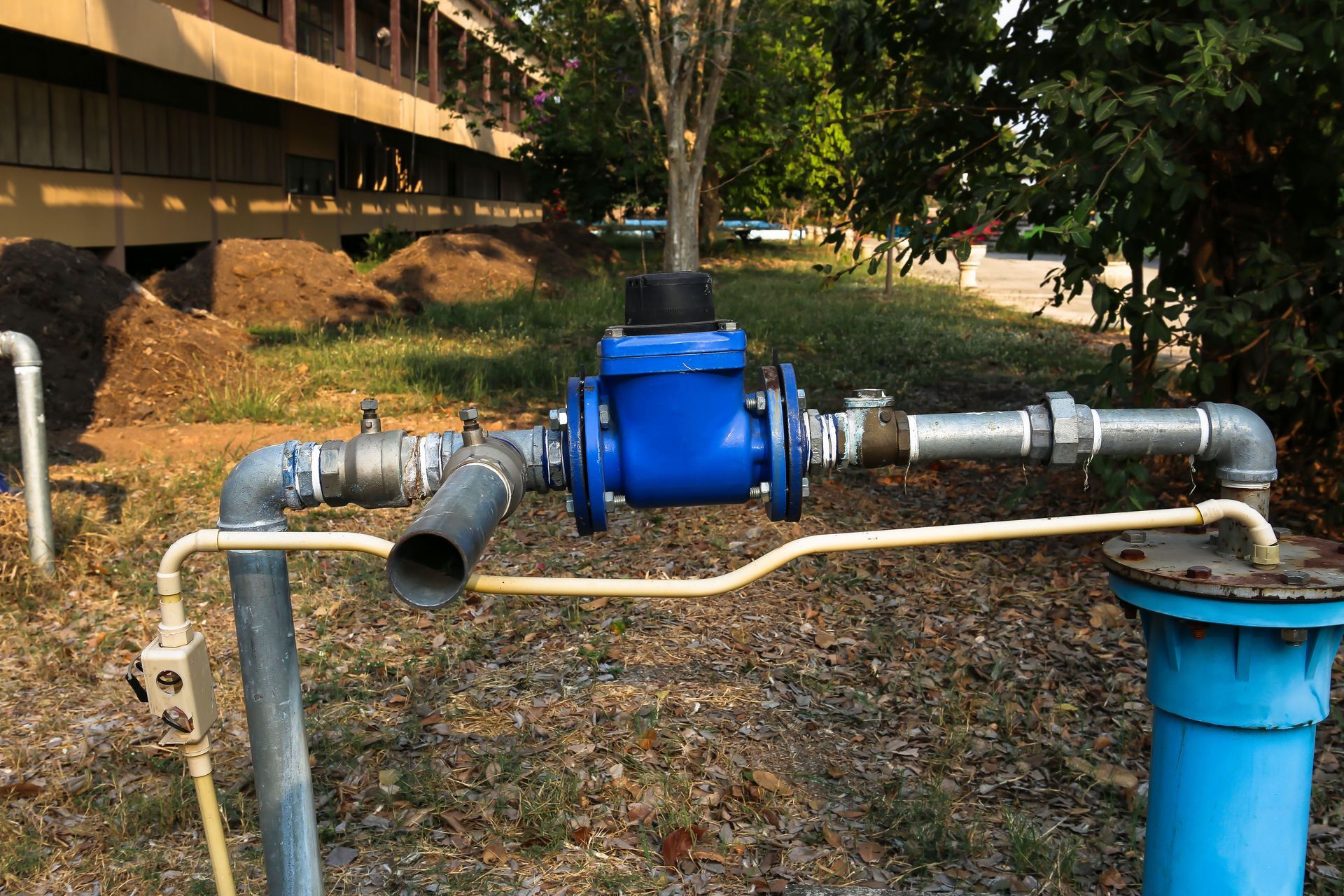
A typical well includes a casing that helps stabilize the borehole and limits the entry of unwanted surface materials. A well screen may be installed where appropriate to allow groundwater into the well while reducing the amount of sediment entering the system. A pump then moves water from the well into a pressure tank and plumbing network for distribution throughout the property. Submersible pumps are frequently used in deeper wells, while other pump designs may be suitable for shallower installations.
According to HomeGuide, a professionally installed water well can last 30 to 50 years with proper maintenance, although individual components may need attention sooner. Pumps, pressure tanks, electrical controls, seals, and other components experience wear and may eventually require repair or replacement. Periodic inspection and water testing can help property owners identify changes before they develop into more significant concerns.
Site Conditions and Well Placement
Choosing an appropriate drilling location is one of the most important stages of well development. Geological characteristics, groundwater depth, surrounding land uses, drainage patterns, and accessibility must all be considered. Professionals may review geological records, nearby well information, topography, and other available data to estimate groundwater conditions before drilling begins. However, actual conditions can vary because subsurface formations are not always predictable from the surface.
Well placement must also account for potential contamination sources. Septic systems, waste storage areas, chemical handling locations, livestock facilities, and other possible hazards may require minimum separation distances. Local regulations often establish specific setback requirements intended to protect groundwater quality. The drilling location should additionally provide enough room for equipment during construction and reasonable access for future inspections, pump work, or other maintenance.
Seasonal Conditions and Water Availability
Groundwater levels can fluctuate throughout the year in response to precipitation, drought, nearby groundwater withdrawals, and aquifer recharge. A well that produces sufficient water during a wet period may experience a lower yield when groundwater levels decline. Understanding seasonal conditions can therefore be useful when determining appropriate well depth, pump placement, storage capacity, and household or operational water-use practices.
Heavy rainfall and flooding can create different concerns by increasing the possibility of contaminants reaching improperly protected wells. Maintaining appropriate grading around the wellhead, keeping the casing properly sealed, and preventing standing water near the installation can help reduce these risks. Water testing is especially important when flooding, construction, changes in taste or odor, or other unusual circumstances raise concerns about water quality.
Site Assessment and Project Planning
Before drilling begins, a detailed site assessment helps establish the project's technical requirements. Water well drilling services may review expected water demand, geological conditions, property boundaries, existing utilities, access limitations, and potential contamination sources. This information helps determine where the well can be placed and what drilling equipment and construction techniques may be appropriate.
The intended use of the water is another important planning consideration. A household may have very different flow requirements from a farm irrigating crops or a commercial property supporting high daily consumption. Professionals can use estimated demand, anticipated well yield, storage needs, and pump capacity to design a system that provides adequate performance. Careful planning can also reduce the likelihood of expensive modifications after drilling has been completed.
Drilling Methods and Equipment
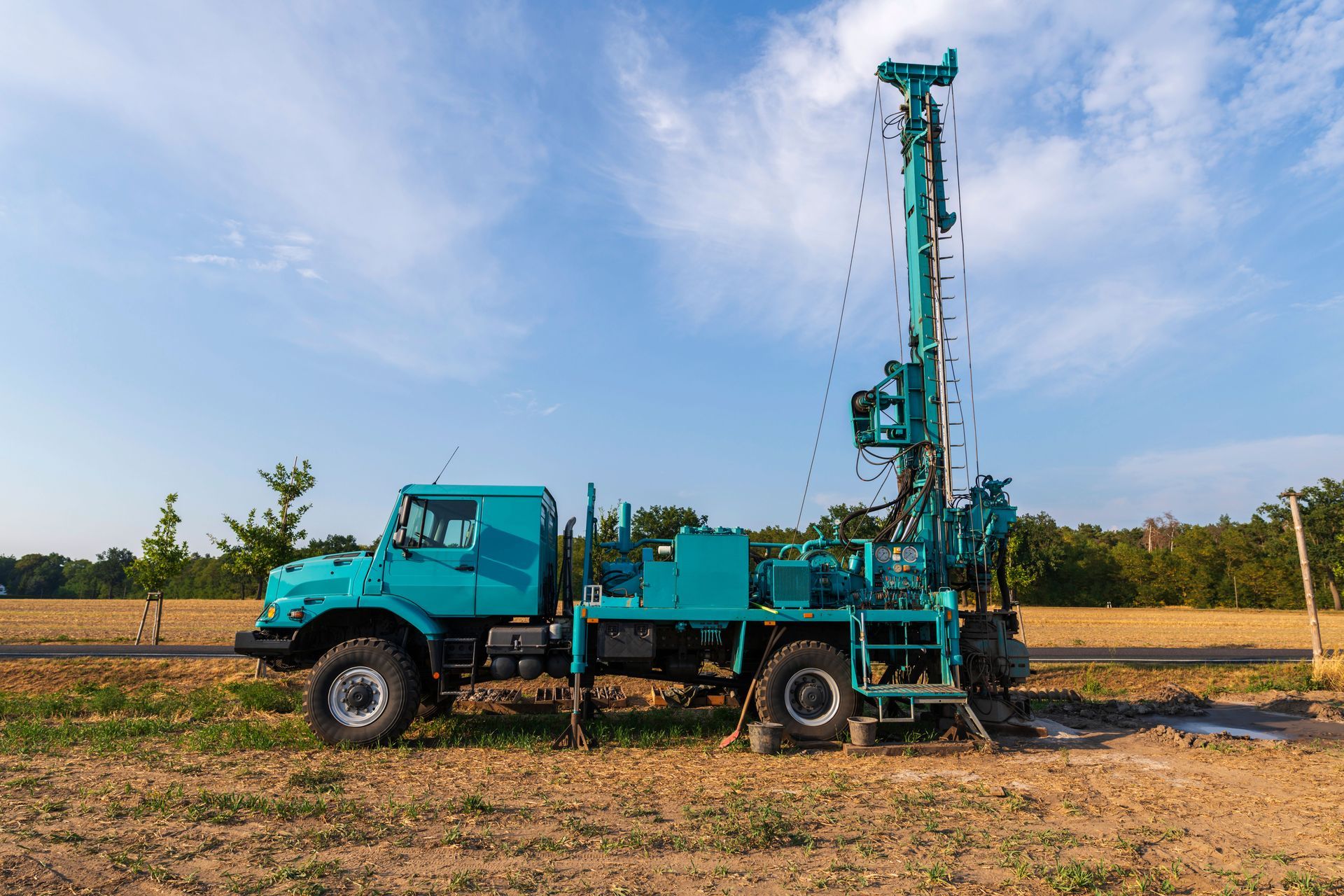
Several drilling techniques may be used depending on geological conditions. Rotary drilling uses a rotating drill bit and is frequently employed for wells extending through different formations. Cable tool drilling repeatedly raises and drops a heavy drilling tool to break apart underground material. Air rotary or down-the-hole hammer techniques may be selected when crews encounter hard rock formations. Each method presents different considerations related to drilling speed, equipment requirements, site conditions, and cost.
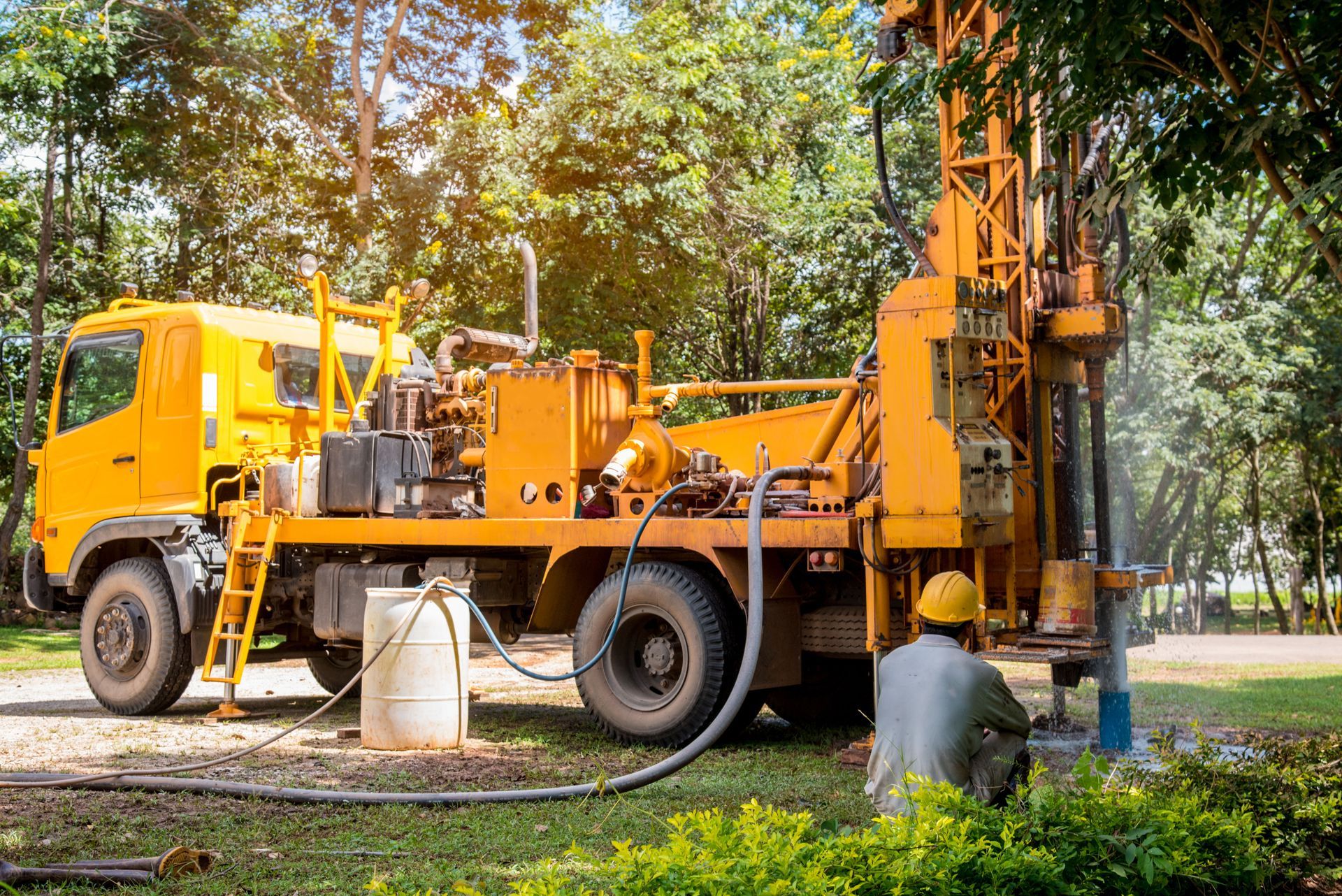
Modern drilling rigs incorporate hydraulic equipment, compressors, pumps, and specialized drill bits designed for specific formations. Professionals providing water well drilling services select equipment based on anticipated depth and subsurface materials rather than relying on a single method for every property. Drilling crews must also manage soil, rock fragments, drilling fluids, and other materials produced while creating the borehole. Proper equipment selection helps crews respond when geological conditions change as drilling progresses.
Well Construction and System Completion
After the drilling location has been prepared, the rig creates a borehole to the required depth. As drilling progresses, crews remove cuttings and monitor the materials encountered. Once a suitable water-bearing formation is reached, casing is installed to support the borehole and help isolate the well from undesirable materials or shallow groundwater. Depending on the well design and geology, screens, gravel packs, seals, or grout may also be incorporated into the construction.
The well is then developed to remove fine particles and improve the movement of groundwater into the borehole. Contractors may conduct yield testing to determine how much water the completed well can produce and how the water level responds to pumping. These measurements can influence pump selection and placement. Experienced water well drilling services can coordinate these construction stages while following applicable well standards and project specifications.
Ultimately, a successful well depends on appropriate planning, professional construction, water testing, regulatory compliance, and ongoing care. Selecting qualified water well drilling services gives property owners access to specialized knowledge about geological conditions, equipment, construction methods, and system design. With regular maintenance and responsible water use, a properly constructed well can serve as a dependable groundwater source for residential, agricultural, or commercial needs for many years. Contact our team at Gordon Well Drilling & Pump Service today and learn more about our water well drilling services.